
I/O configuration
Select digital, analogue or mixed signal combinations and the channel density required by the panel.
Industrial Super I/O product family
Titania is a family of industrial Super I/O products rather than a single module. Each variant is designed around a defined combination of field I/O, communications, protection and edge-control capability.
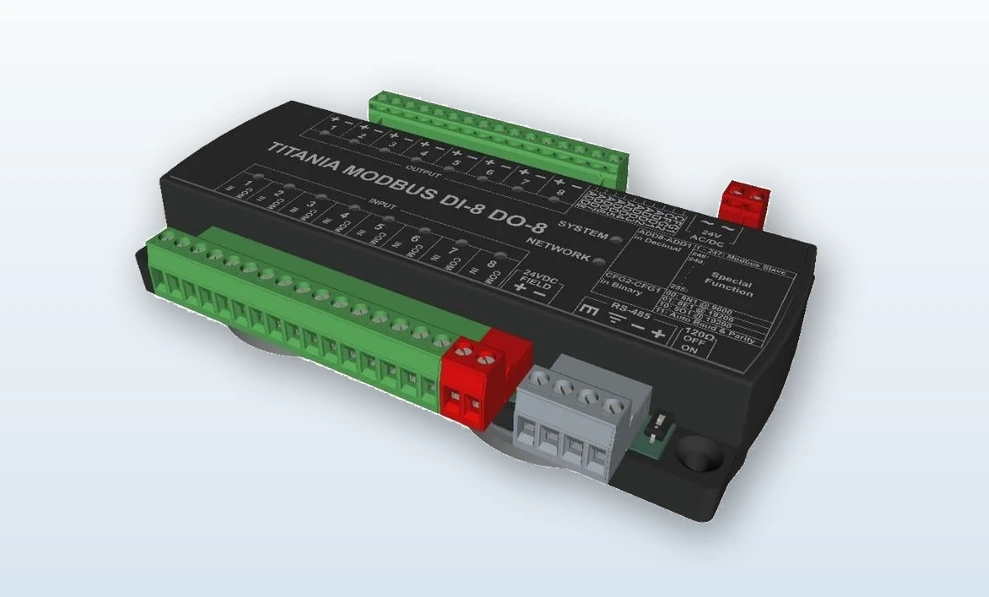
Family architecture
Titania variants are organised by their field interface, communication method, local processing functions and installation requirements.
Select digital, analogue or mixed signal combinations and the channel density required by the panel.
Match the variant to the required fieldbus, Ethernet or gateway architecture.
Choose the level of diagnostics, sequencing, interlocking or autonomous edge control.
Confirm dimensions, mounting, power, isolation, protection and environmental ratings.
Titania variants
Each variant has its own specifications, wiring, datasheet and application scope. Confirm the exact model before design, procurement or installation.
Product variant
Eight isolated digital inputs and eight protected 24 VDC high-side outputs with 1 kHz counting, Modbus RTU and autonomous edge modes.
View variantFurther models can be published here as their specifications, images and controlled documents are approved.
Featured Titania variant
A compact DIN-rail Super I/O variant with eight isolated digital inputs, eight protected high-side outputs, isolated RS-485 Modbus RTU and configurable local operating modes.
The Titania family extends distributed I/O with configurable local logic, sequencing, alarm behaviour, output shaping and deterministic power-up or communications-loss states. Variants should be selected according to channel type, electrical load, communication method, environmental conditions and required local autonomy.
Applications include PLC and IPC expansion, distributed cabinet I/O, production counting, proximity and limit switches, local interlocks, valve or solenoid sequences, stack-light and siren annunciation, and time-proportional output control.
Technology insights
Practical guidance derived from the current PyXis and Titania technical material.
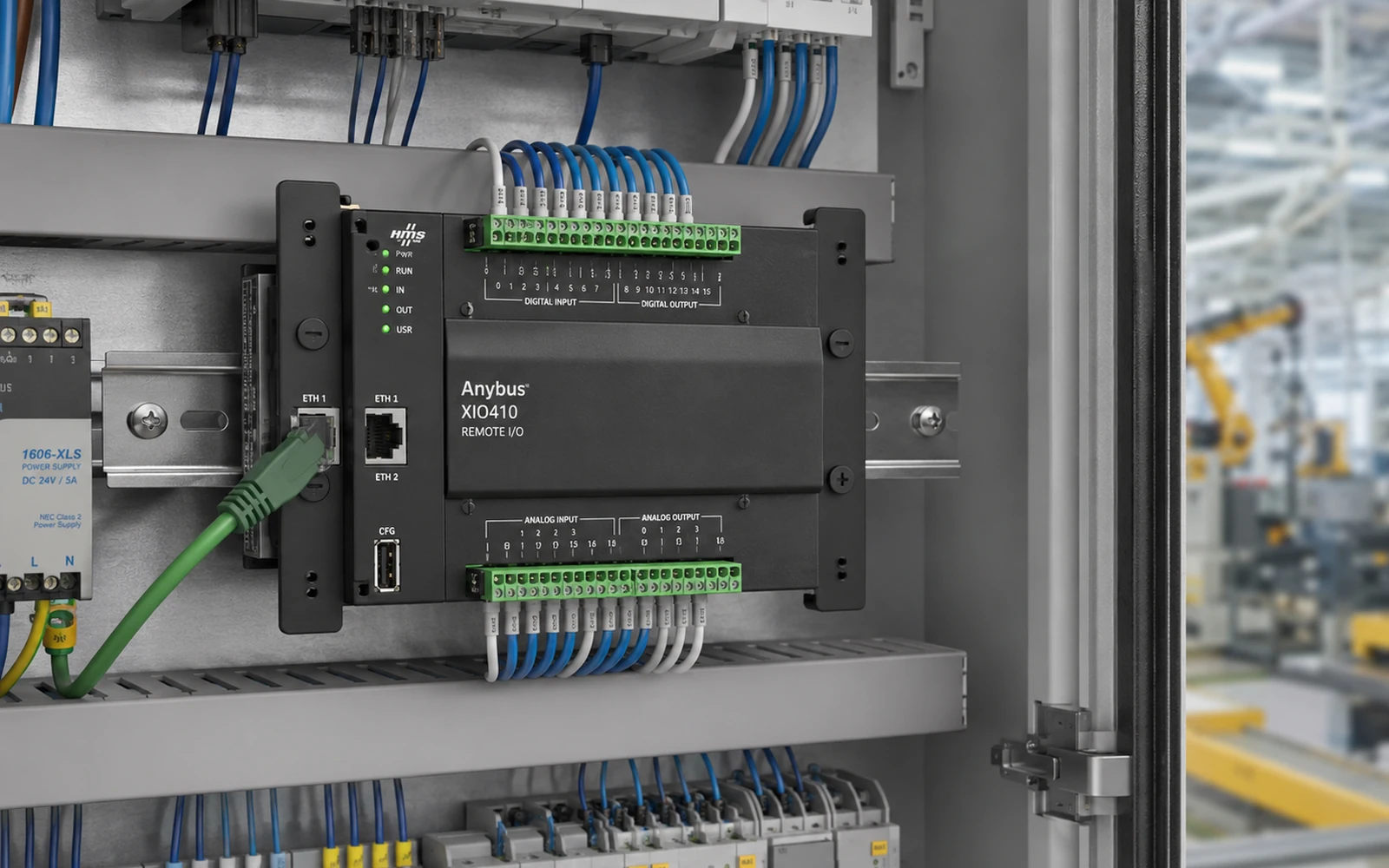
Technology article
Why remote I/O becomes more resilient when it can continue selected logic, sequencing and safe-state functions without the host controller.
Read more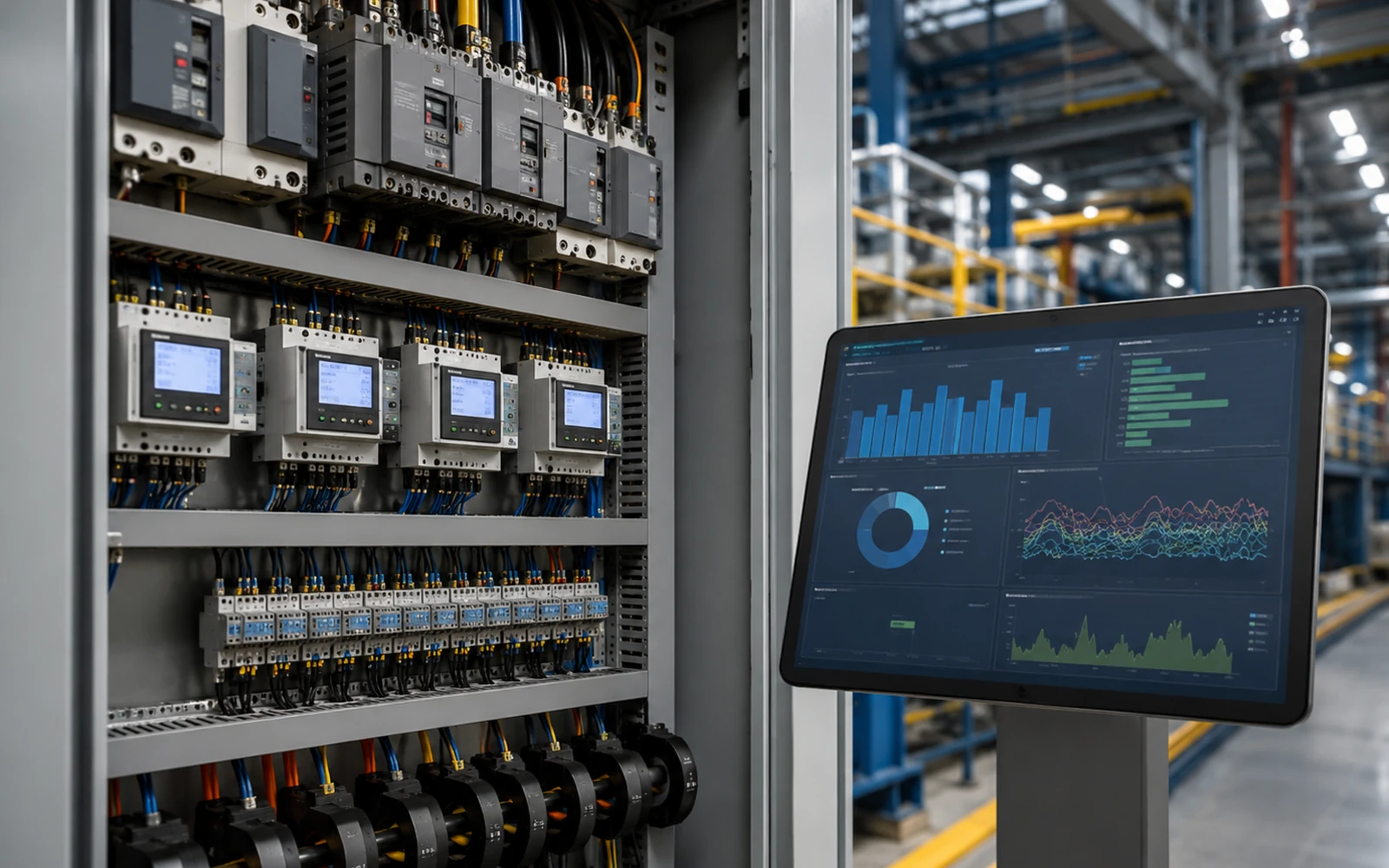
Technology article
How deterministic power-up and communication-loss behaviour improves distributed I/O resilience.
Read more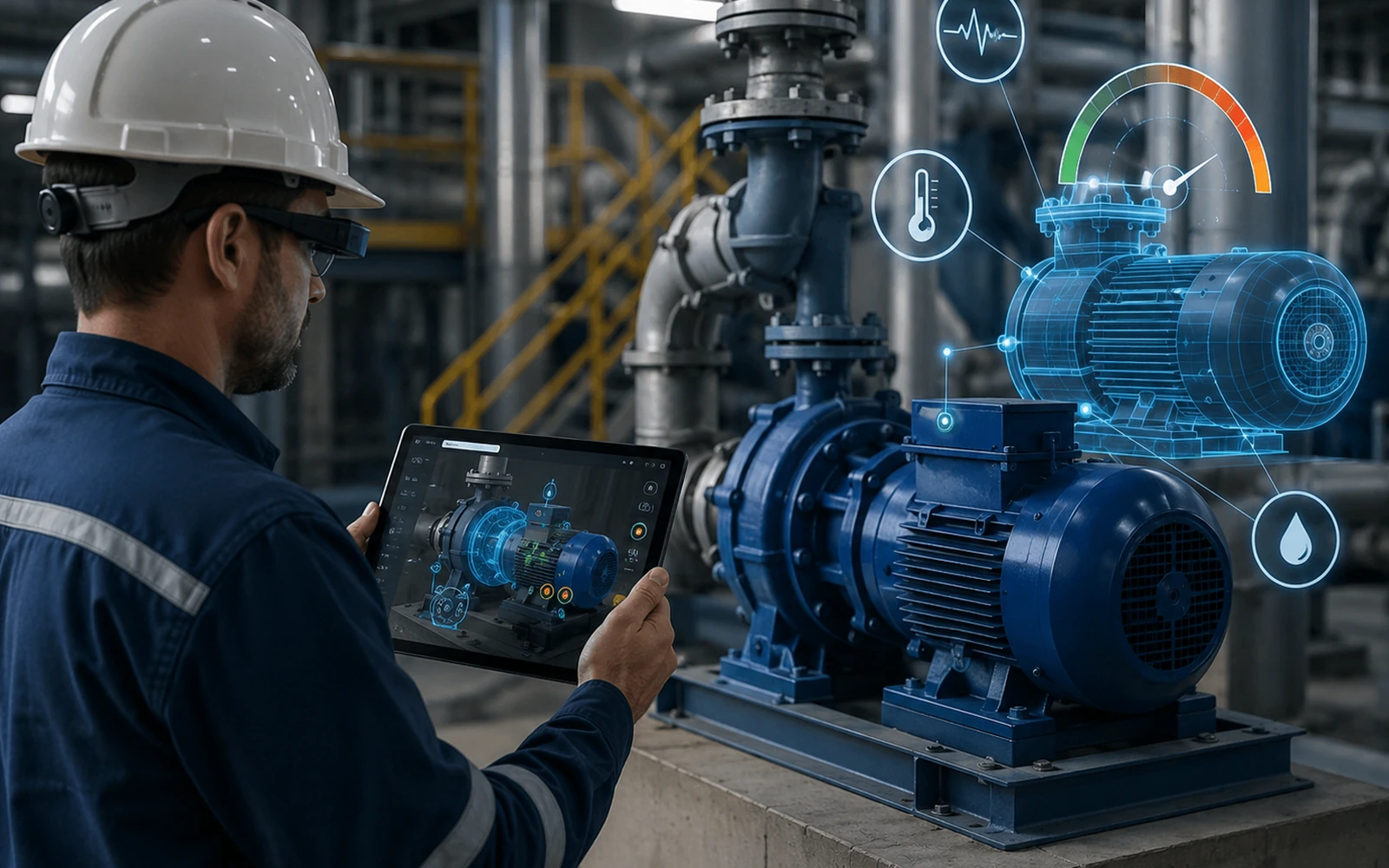
Technology article
Applying Boolean logic, pattern recognition, timed sequences and annunciation functions within distributed I/O.
Read more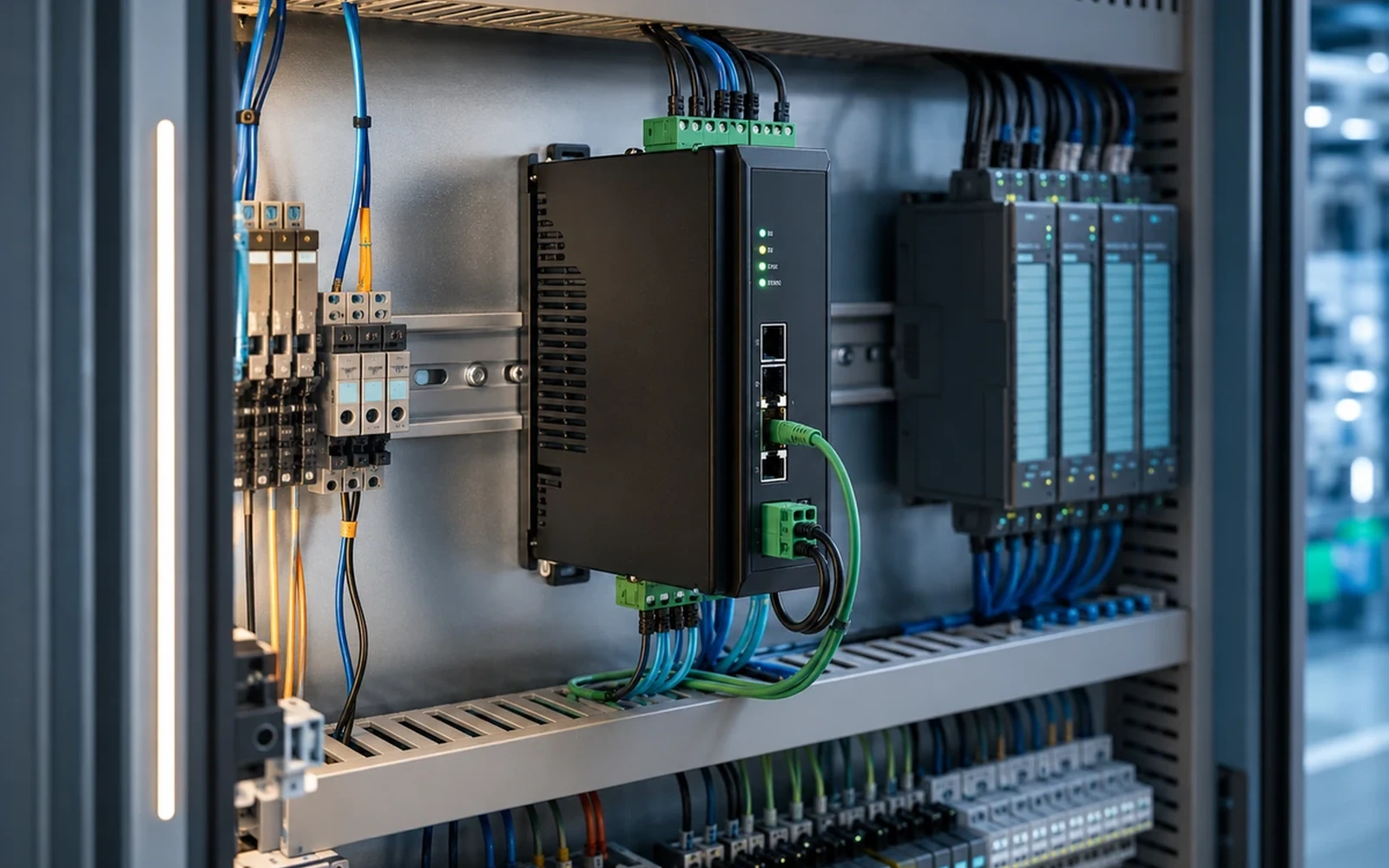
Technology article
Design principles for integrating field I/O, logic, communications and 24 VDC power in electrically demanding industrial environments.
Read more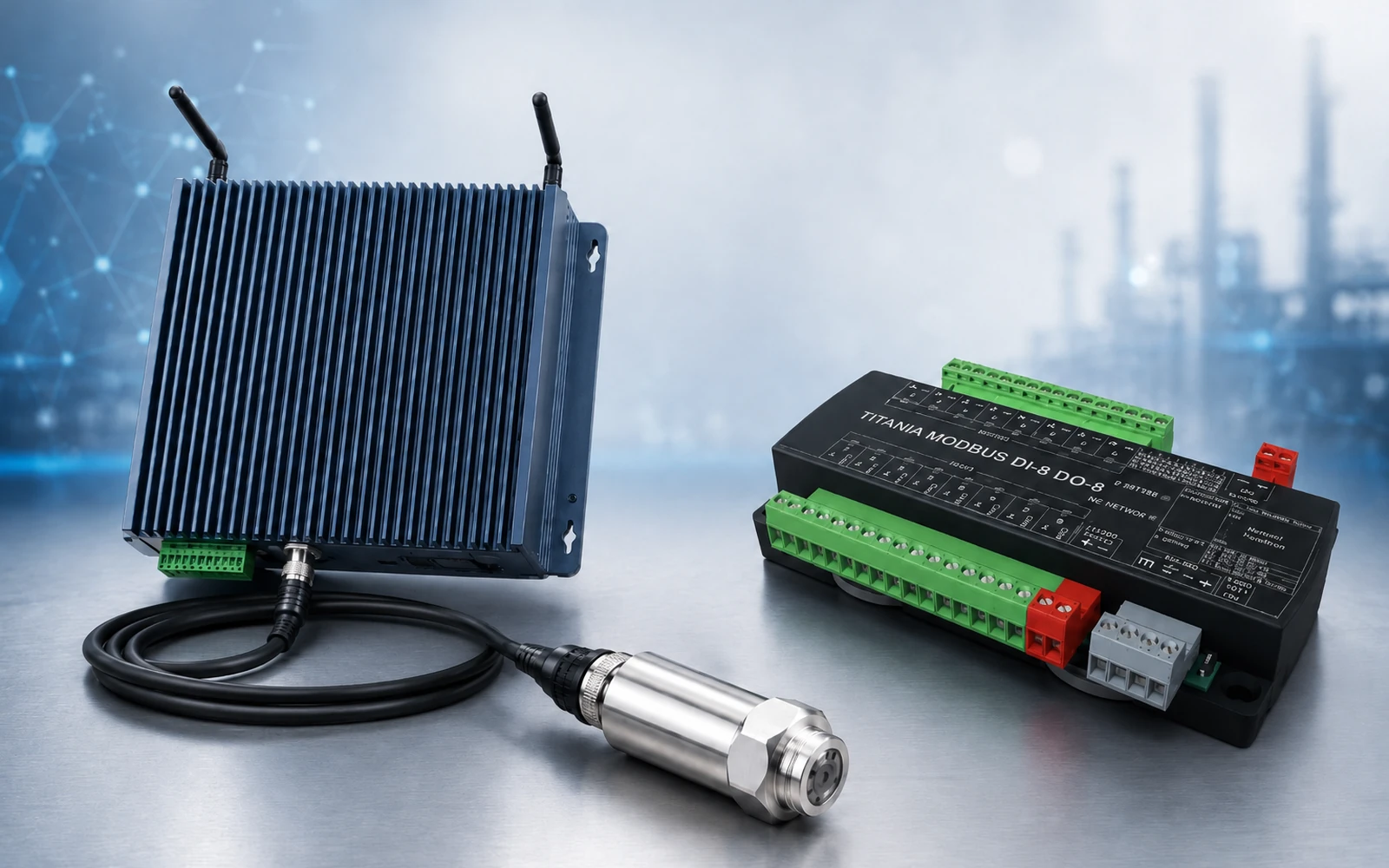
Technology article
Combining vibration intelligence, digital field I/O and Modbus integration into a practical machine-health architecture.
Read more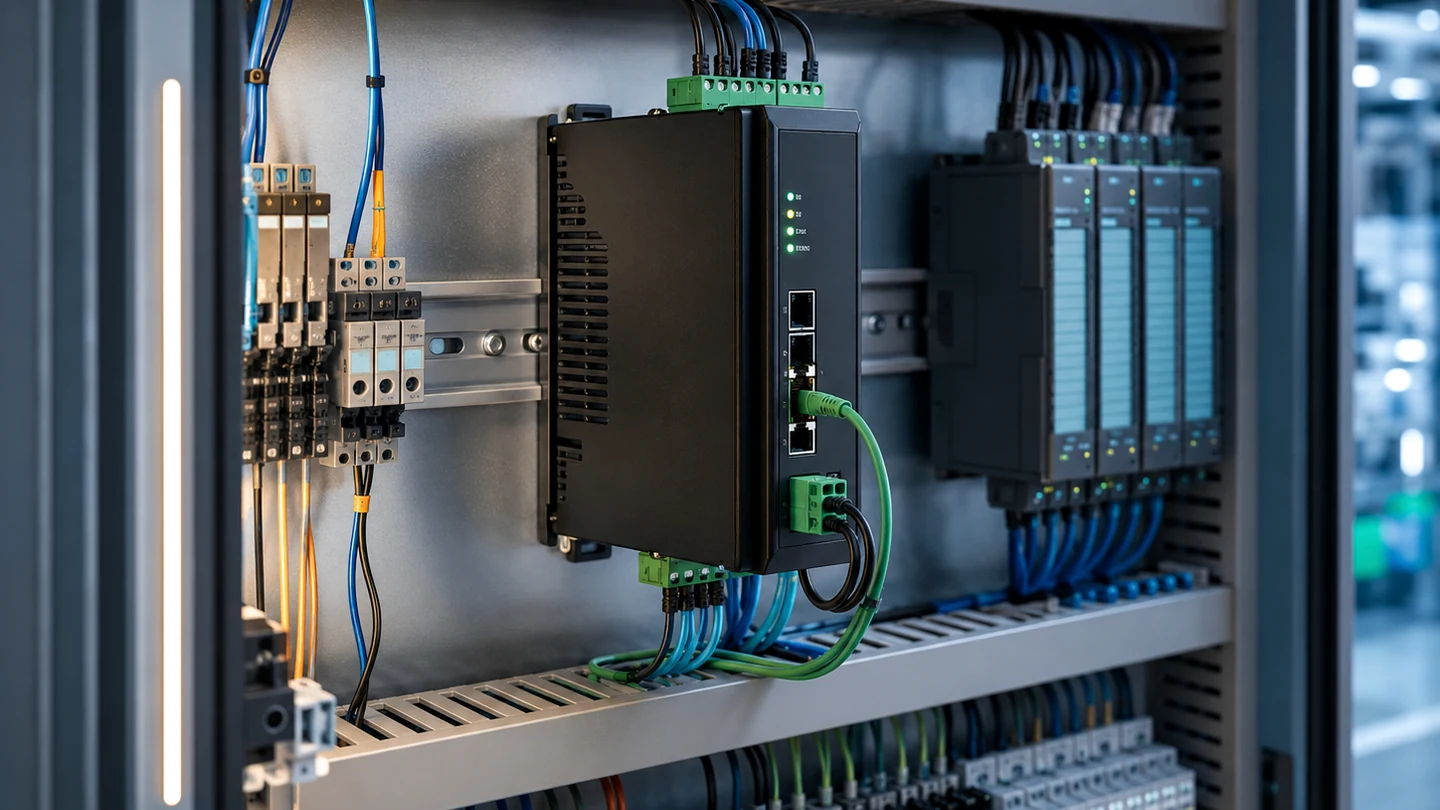
Industrial use case
Applying Titania per-channel 32-bit counters, selectable edges, frequency values and digital filters to production and encoder signals.
Read moreSelect a Titania variant
Share the required signal types, channel counts, loads, communication protocol, local logic and environmental conditions with our engineering team.