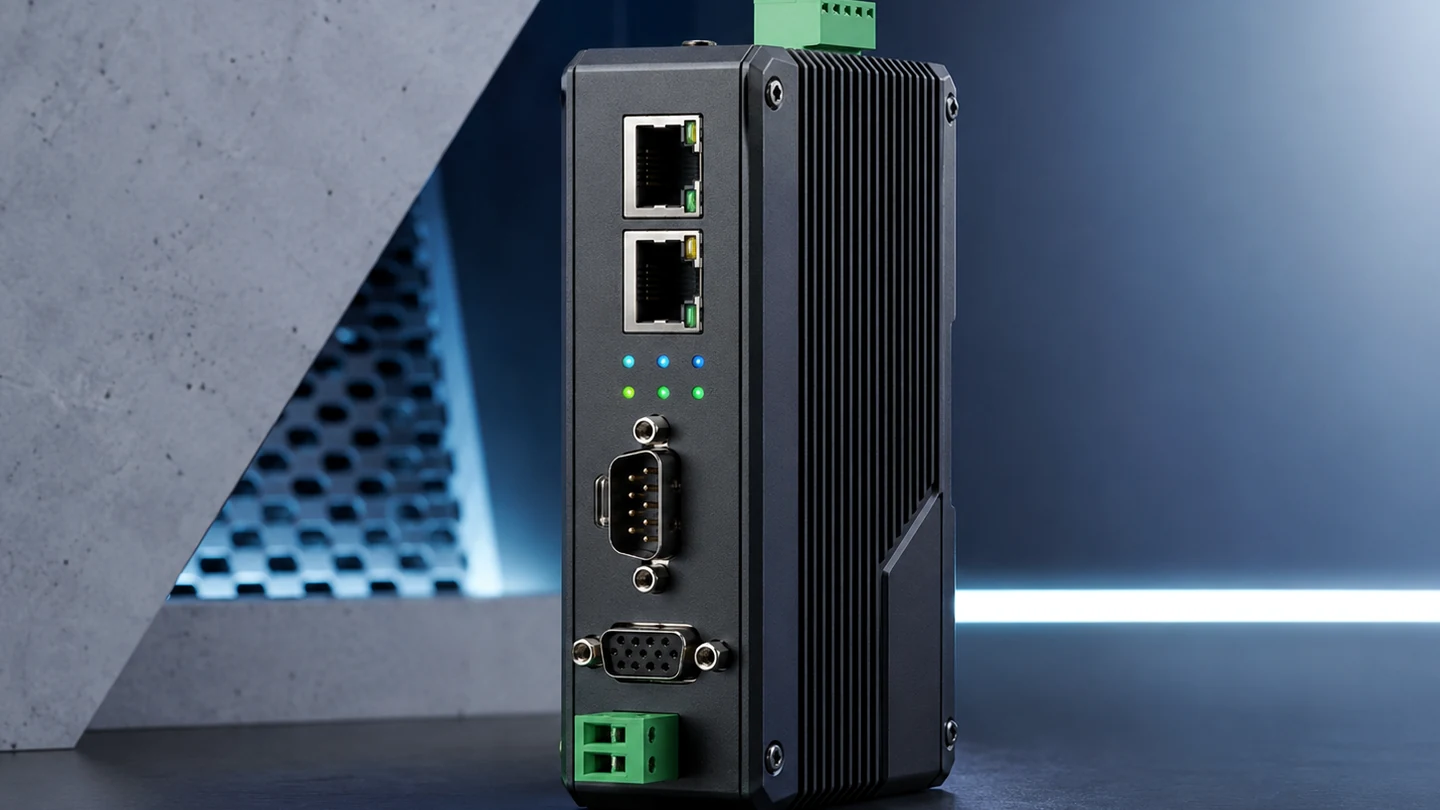

Industrial fans and blowers can move from healthy to high vibration quickly when blades foul, deposits build unevenly, belts degrade or structural resonance is excited. PyXis provides continuous machine-level information without requiring the supervisory network to carry raw high-rate waveforms.
Fault patterns to monitor
- A rising 1X component may indicate rotor imbalance, blade fouling or eccentricity.
- Strong axial vibration and multiple harmonics can support investigation of misalignment or looseness.
- Sidebands and changing harmonic consistency may indicate belt, blade-pass or modulation effects.
- Temperature rise with increasing vibration can indicate bearing lubrication or loading problems.
Variable-speed operation
For VSD-driven equipment, evaluate trends against speed and operating point. Use RPM, tachometer quality and 1X order information so a normal speed change is not mistaken for deterioration. Where several stable operating zones exist, maintain separate baseline expectations for each zone.
Installation practice
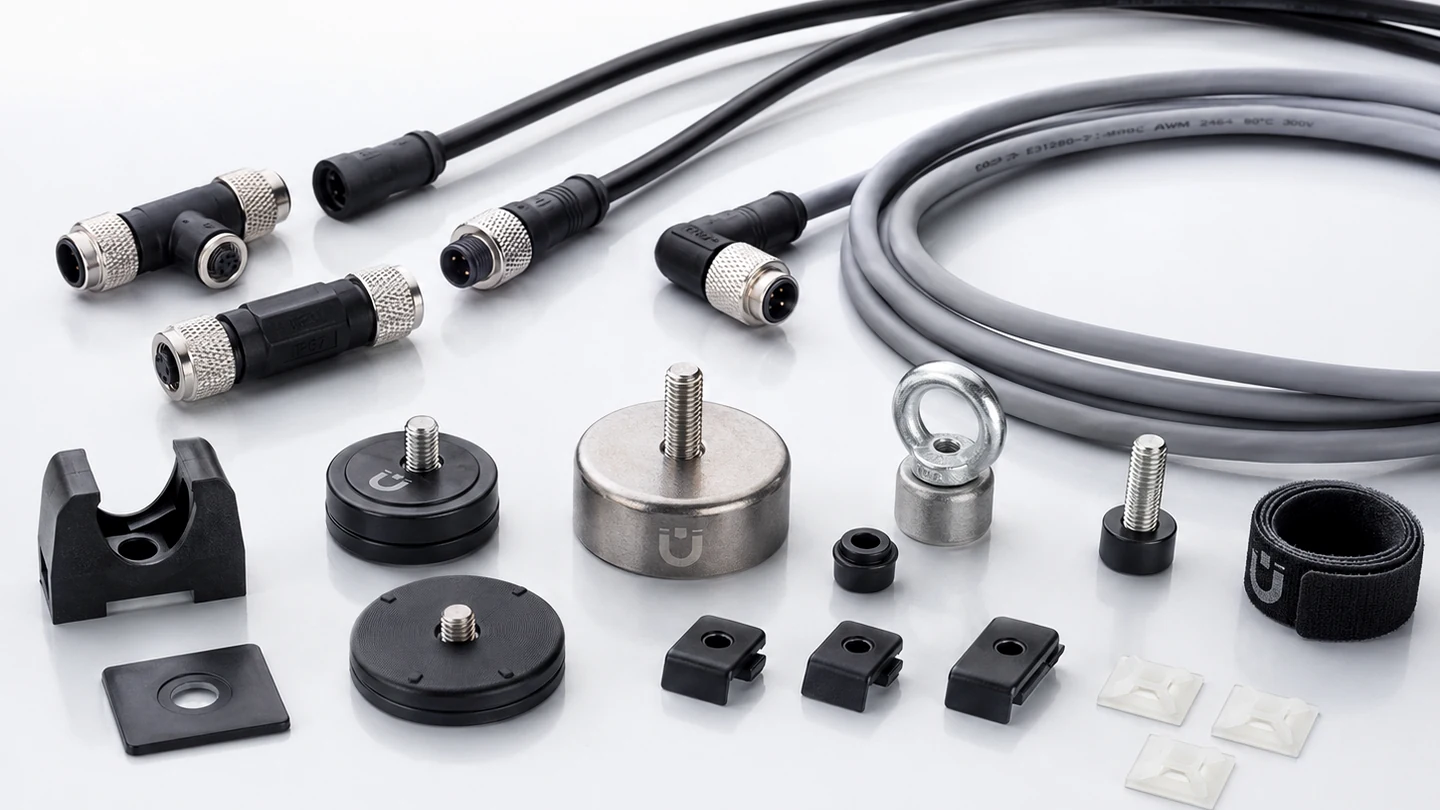
Use a rigid stud mounting for permanent high-frequency monitoring where possible. Position the sensor on the bearing support rather than a flexible guard or thin panel. Route the M12 or integral cable away from moving parts, provide strain relief and confirm the complete installation maintains the required ingress protection.
Maintenance value
A fan-monitoring programme can prioritise balancing, cleaning, belt inspection and bearing work based on condition trend rather than calendar alone. The most useful workflow combines automatic screening with a documented inspection path and confirmation measurement before major intervention.
Technical basis: PyXis Smart 3-Axis Vibration Sensor datasheet TTN-DS-2026-002, issued 19 July 2026. Confirm the current hardware, firmware and controlled document revision before implementation.