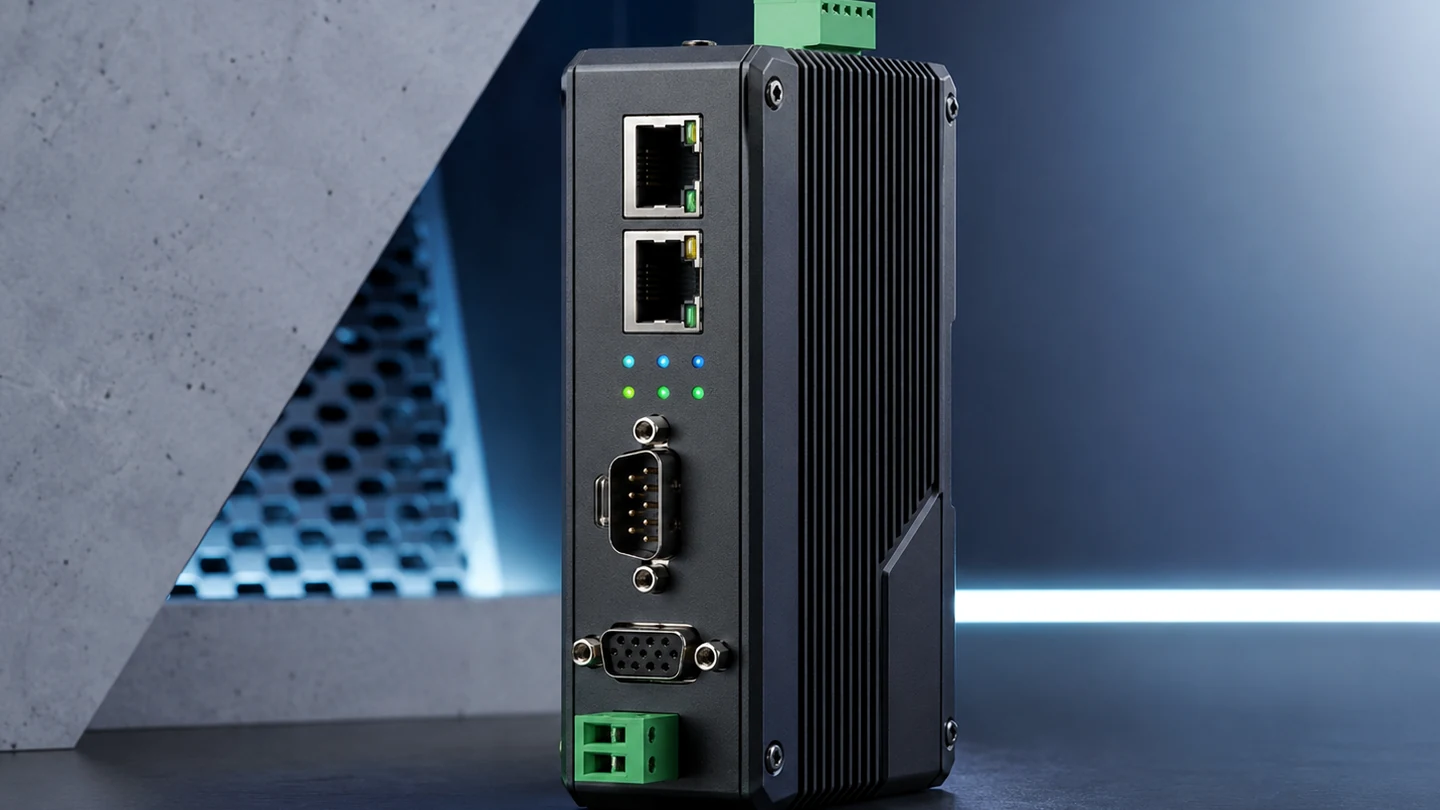

Digital high-side outputs can regulate average power using pulse-width modulation. The documented Titania variant supports PWM on all eight outputs from 1 to 50 Hz with 0–100% duty cycle in 1% steps.
Load suitability
Low-frequency PWM is suitable for loads whose mechanical or thermal response averages the switching, such as lamps, heaters, proportional devices designed for PWM and some DC actuators. It is not appropriate for every coil, relay or electronic load.
Ramping and shaping
Programmable ramp-up, ramp-down, peak hold, minimum intensity and maximum intensity can reduce abrupt transitions and constrain the usable output range. These settings should reflect the load response rather than visual preference alone.
PID/PWM mode
Supported modes can use setpoint, minimum and maximum PWM, response smoothing, noise tolerance and auto-tune commands. Auto-tune must be supervised and should only be used where the process can tolerate the excitation it creates.
Commissioning checks
- Verify current, inrush, switching losses and temperature at the intended duty cycle.
- Confirm the load manufacturer permits the selected PWM frequency.
- Test minimum output, maximum output and loss-of-communication behaviour.
- Do not use ordinary PWM control for a safety-critical final element.
Technical basis: Titania Modbus DI-8 DO-8 datasheet TTN-DS-2026-001, issued 19 July 2026. Confirm the current hardware, firmware and controlled document revision before implementation.